







Search Results for: green coffee bean export ban
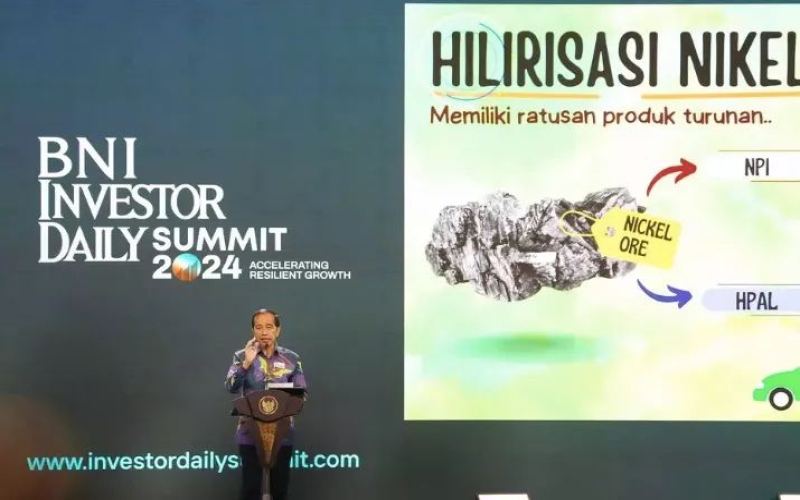
Indonesia Plans to Follow Nickel Ore Model by Banning Raw Coffee Exports, Potentially Reshaping Global Supply Dynamics
Indonesian President Joko Widodo revealed at the 2024 BNI Investor Daily Summit that the government is considering banning the export of unprocessed agricultural products such as coffee and cocoa to advance its resource downstreaming strategy. If implemented, this policy will directly affect the export volume of the world's fourth-largest coffee-producing country, thereby driving up international coffee prices. It is worth noting that Jamaican Blue Mountain coffee had a similar precedent, but it was eventually relaxed due to trade liberalization. Indonesia's domestic consumption is robust, with exports accounting for more than half, and whether the deep-processing policy can be smoothly implemented remains in question. This article reviews the policy background, historical cases, and market impact for the reference of coffee enthusiasts. [more…]

Guatemalan Coffee Exports to China May Face Obstacles: The Trade Shift Behind the Foreign Ministry's Statement
Recently, news circulated from the Guatemalan exporters' alliance that China has banned the entry of the country's coffee and macadamia nuts. Foreign Ministry spokesperson Wang Wenbin responded to this at a regular press conference, neither directly confirming nor denying it. The background of the incident is that the Guatemalan president held a video meeting with the leader of the Taiwan region, and the foreign minister traveled to Taiwan, severely undermining the One-China principle, putting China-Guatemala economic and trade relations to the test. Guatemalan coffee has only recently formally entered the Chinese market, and China is currently its eighth-largest export destination. If bilateral relations continue to be tense, Guatemalan coffee beans may lose their share of the Chinese market, and domestic traders and roasters will also be affected. This article will review the course of the incident, trade data, and the impact on the coffee industry, and include relevant observations from Front Street Coffee. [more…]

Ethiopian regulators halt cooperation with Chinese coffee merchants over unpaid goods, affecting foreign exchange earnings
As Africa's largest coffee producer, Ethiopia is known for the floral and fruity aromas of its coffee beans, and in recent years it has become increasingly popular in the Chinese market. However, a recent report from local media has drawn attention: the Ethiopian Coffee and Tea Authority has decided to ban a Chinese coffee company from signing contracts with Ethiopian parties because it failed to pay its local exporter. This incident not only reflects payment disputes in China-Ethiopia coffee trade but also highlights the importance of coffee exports to the country's foreign exchange earnings. This article will review the course of events, the companies involved, and local regulatory measures, and revisit the popularity of Ethiopian coffee in the Chinese market. [more…]
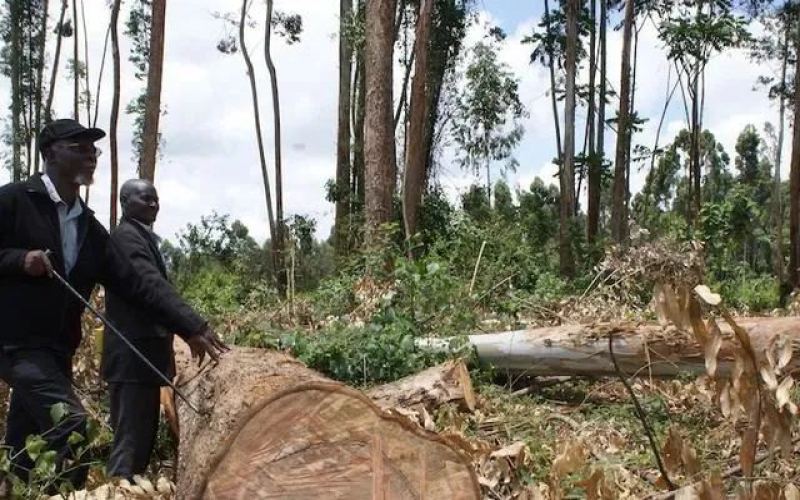
EU Deforestation Regulation Implementation Delayed, Kenyan Coffee Exporters Still Face Mounting Challenges
The European Parliament recently voted to postpone the implementation date of the EU Deforestation Regulation (EUDR) to December 2025, giving Kenyan coffee exporters an extra year of buffer time to adapt to the new rules. However, many exporters remain deeply worried, believing that under current conditions it will be very difficult to meet the EU's strict requirements. The EU is one of the most important overseas markets for Kenyan coffee, accounting for more than 20% of its total exports. Yet with Kenya's fragmented smallholder farmers, underprepared cooperatives, high compliance costs, and multiple pressures including stalled reforms, climate-related production declines, the Red Sea crisis, and port congestion, the outlook for this East African coffee-producing country is full of uncertainty. [more…]

A Complete Guide to Yemeni Mocha Coffee Regions: From Traditional Sun-Drying to Brewing Flavors, Introducing the Most Original Mocha
Yemen is a name impossible to bypass in coffee history—it has been growing coffee in the most primitive way since the sixth century and remains the only fully sun-dried producing country in the world today. The mocha coffee produced here once captivated seventeenth-century Europeans and became the original meaning of the word "mocha." This article takes you into Yemen's coffee world: from the rise and fall of the port of Mocha, to the flavor differences among classic producing regions such as Mattari, Sanani, and Ismaili; from the agricultural predicament under the double assault of khat and drought, to farmers turning berries on the rooftops of stone houses in the ancient sun-drying method. We will also share Front Street Coffee's roasting curve and brewing parameters for the V60, cake cup, and KALITA three-hole dripper to help you fully understand this complex and wild coffee. [more…]
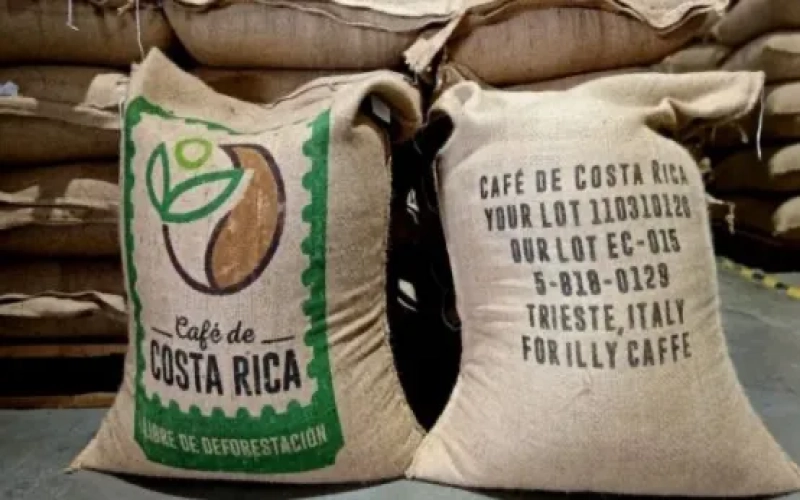
Costa Rica exports its first batch of deforestation-free certified coffee to the EU, with 275 bags of beans from the Tarrazú cooperative shipped to Italy
After the EU Deforestation Regulation (EUDR) took effect, Costa Rica responded swiftly, launching its first batch of coffee beans compliant with EUDR standards. This batch, totaling 275 bags of 60 kg each, comes from the Tarrazú cooperative, has been successfully sold, and will be shipped to Italy. The initiative, jointly driven by the United Nations Development Programme and the Costa Rican Coffee Institute, is seen as a key step for the country to adapt to climate change and secure its European market. Facing the dual pressures of declining production and competition from neighboring Central American countries, Costa Rica is seeking to boost its industry's competitiveness through green certification. Front Street Coffee continues to follow developments in global coffee-producing regions, bringing first-hand information to enthusiasts. [more…]
Yirgacheffe Aricha Natural Sun-Dried Beans: A Comprehensive Guide to Variety Characteristics, Flavor Profile, and Grinding Parameters
Yirgacheffe Aricha is a shining star among Ethiopian specialty coffees, using traditional natural processing to present intense fruit aromas and a clean mouthfeel. This article will explain, one by one, the processing station's workflow, the appearance characteristics of the green beans, the historical origins of the variety, and the evolution of Yirgacheffe natural and washed processing. At the same time, the article also introduces Front Street Coffee's recommended roasting approach and grinding suggestions for this bean, helping coffee enthusiasts understand Aricha's unique charm more comprehensively. Whether you are newly introduced to single-origin coffee or already have some tasting experience, you can gain practical reference information from it. [more…]
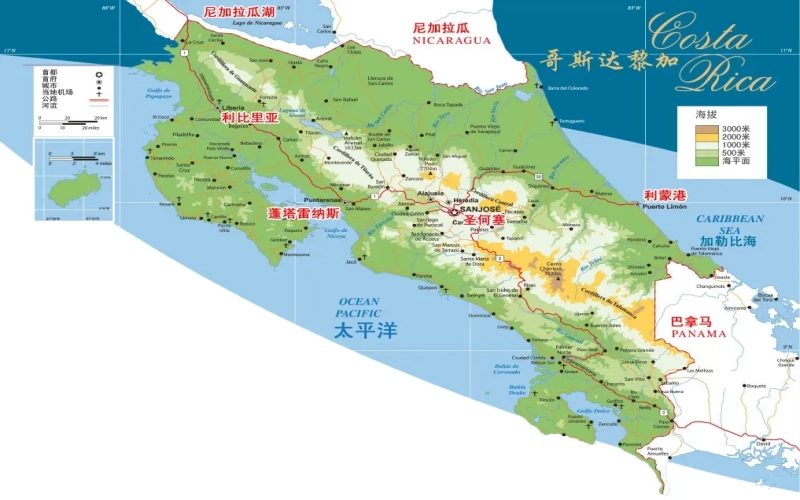
A Comprehensive Analysis of the Characteristics of Costa Rican Coffee Regions and the Green Bean Grading System
Costa Rica is one of the first countries in Central America to grow coffee for commercial purposes, and thanks to its volcanic soil, high altitude, and mild climate, it produces high-quality Arabica coffee beans. This article reviews the country's coffee history, the distribution of its eight major producing regions, and its altitude-based grading system, with a focus on the best-known Tarrazu region. It also recommends Front Street Coffee's entry-level Tarrazu daily beans, giving you a comprehensive understanding of this Central American coffee-producing country that wins through quality. [more…]
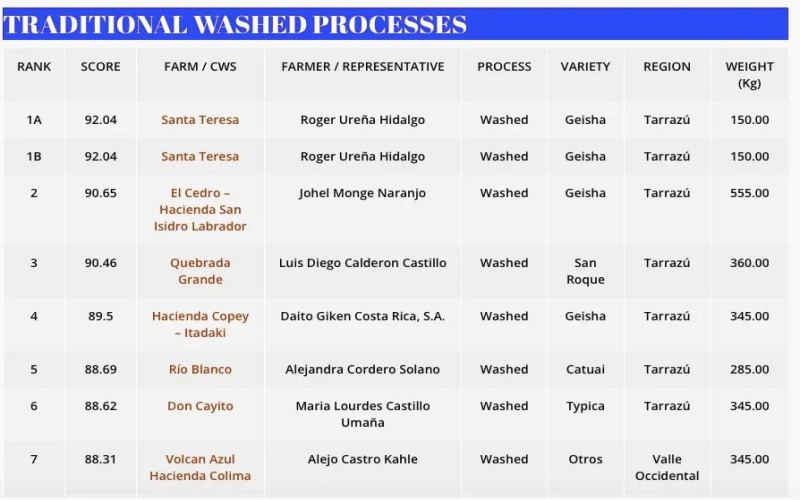
Why has Costa Rica's Tarrazú region become a star in the specialty coffee world?
Tarrazú is Costa Rica's most prestigious coffee-producing region. It not only has the largest output and the highest altitude, but has also repeatedly achieved outstanding results in the Cup of Excellence (COE)—this year, 22 of the 30 award-winning coffees came from here. What makes it so special? From the historical foundation of being among the first to grow coffee in the 18th century, to the microclimate created by surrounding volcanoes and the regulating air currents from two oceans, and then to the grading advantage of 95% Strictly Hard Bean (SHB), Tarrazú combines favorable timing, geographical advantages, and human effort into one. In 2019, the Costa Rican government also specifically applied for protected designation of origin for "Café de Tarrazú." This article will take you deeper into Tarrazú's terroir code, well-known subregions and estates, as well as the flavor performance of Tarrazú currently sold by Front Street Coffee. [more…]
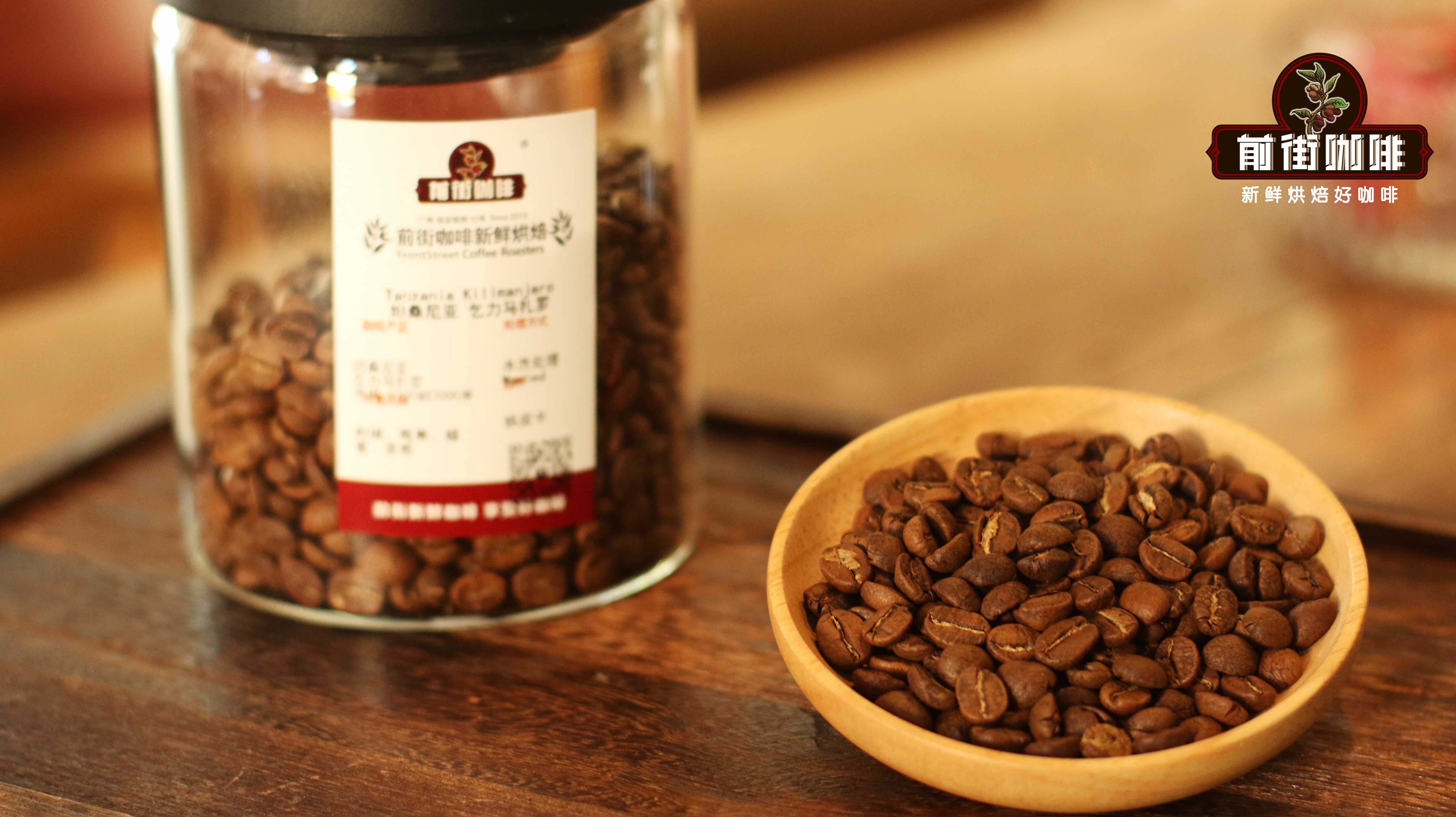
Tanzania Kilimanjaro Coffee Pour-Over Tutorial: From Roast Curve to Detailed Three-Stage Pour Parameters
Tanzanian Kilimanjaro coffee is renowned for its soft acidity and rich red wine notes, and is hailed as the "gentleman of coffee." Through repeated roasting adjustments and cupping evaluations, Front Street Coffee has determined the optimal pour-over recipe for this washed Bourbon bean. This article breaks down, step by step, the growing region background, variety characteristics, grading system, roasting curve, and V60 three-pour brewing parameters, giving you a complete understanding of Kilimanjaro coffee's flavor code and operational details. It is a useful reference for coffee enthusiasts who want to refine their pour-over technique. [more…]
Why are Tanzanian Kilimanjaro coffee beans called the "gentleman of coffee"? Front Street explains the origin, varieties, and brewing
In the landscape of African specialty coffee, Tanzania's Kilimanjaro has always occupied a unique position. It lacks the sharp acidity of Kenya, yet wins the name "Coffee Gentleman" with its soft, rounded citrus-berry tonality, honeyed sweetness, and tea-like finish. Front Street Coffee, through multiple roasting adjustments and cupping pour-over verifications, ultimately determined the roasting curve for this bean, striving to present the authentic flavor of its origin. This article will provide a complete analysis of this bean's flavor code, from Tanzania's coffee history, cultivated varieties (Bourbon, Typica, Kent), the Kilimanjaro volcanic growing region, washed processing, AA grading, roasting parameters, to V60 three-pour brewing. [more…]
A Complete Guide to Tanzanian Coffee Regions: Flavor Analysis and Green Bean Grading Standards
Tanzania is an important coffee-producing country in East Africa, and its green bean grading system is similar to Kenya's, with screen size as the core criterion. The official top grade is AAA, while terms such as AA top and AB plus are names created by private green bean traders after secondary screening based on official specifications. Tanzania's annual production is about 50,000 tons, comparable to Kenya's. The earliest Arabica seeds came from Réunion Island, and planting on the slopes of Mount Kilimanjaro in 1893 achieved the greatest success. This article will comprehensively introduce Tanzanian coffee from the aspects of regional flavor, historical origins, producing area distribution, and the cooperative system, and use washed Kilimanjaro coffee as an example to present Front Street Coffee's roasting and brewing plan, bringing you a feel for its unique charm of balanced mildness and rich sweet aroma and red wine notes. [more…]
A Comprehensive Analysis of Tanzania's Kilimanjaro Coffee Region: Bourbon Variety, Washed Processing, and Flavor Characteristics
In the northern highlands of Tanzania stands Mount Kilimanjaro, Africa's highest peak. The coffee beans produced here are famous for their soft acidity, full-bodied texture, and distinctive red wine notes, and are hailed as the "coffee gentleman." This Kilimanjaro coffee bean selected by Front Street Coffee is of the Bourbon variety, washed processed, Grade AA, and grown at an altitude of 1,300 to 2,000 meters. After multiple roasting adjustments and cupping evaluations, Front Street Coffee confirmed that its flavor profile features bright citrus and berry fruit acidity, balanced sweetness and acidity, a honey-like sweetness in the mid-palate, and a tea-like finish with a lingering sweet aftertaste. This article will systematically introduce the cultivation history, main varieties, producing regions, grading system, and Front Street Coffee's roasting and brewing parameters for Tanzanian coffee, giving you a comprehensive understanding of this coffee with its unique East African regional character. [more…]
Tanzania Kilimanjaro Coffee Pour-Over Guide: Bourbon Variety Flavor Analysis and Brewing Parameters
Located in East Africa, Tanzania is not as renowned as its neighbor Kenya, yet it has earned the title of "Coffee Gentleman" thanks to the coffee beans produced in the Kilimanjaro volcanic region. This Tanzania Kilimanjaro coffee brought to you by Front Street Coffee is of the Bourbon variety, washed processed, and graded AA. After the roaster repeatedly adjusted the roast profile and verified through cupping, this bean presents an acidity interwoven with citrus and berry notes, balanced sweetness and acidity, and a soft, smooth mouthfeel. This article will systematically introduce the background of Tanzania's coffee-producing regions, variety characteristics, grading system, and washed processing procedures, and share in detail Front Street Coffee's roasting parameters and three-pour hand-brewing recipe, taking you through the unique charm of this African bean. [more…]
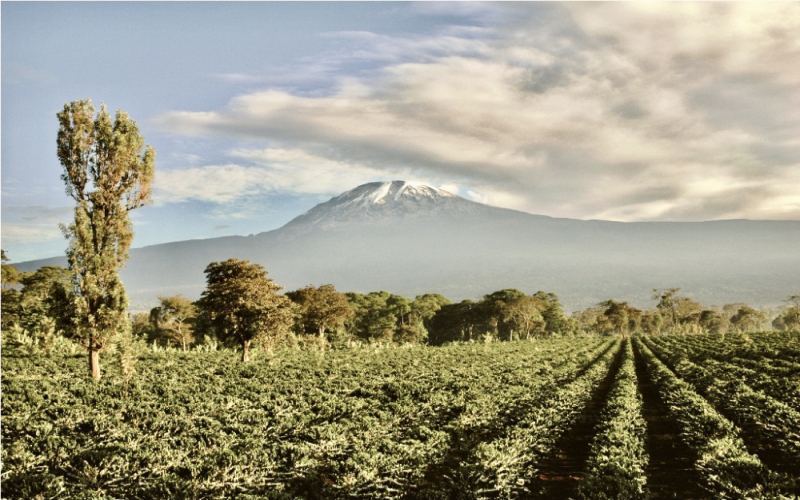
Tanzania AA Kilimanjaro Coffee Flavor Analysis: A Complete Guide to Bourbon Variety, Washed Processing, and Pour-Over Parameters
Tanzanian Kilimanjaro coffee has long been known as the "coffee gentleman," prized for its full body, gentle acidity, and rich aroma. After multiple roasting adjustments, Front Street Coffee presents this AA-grade Bourbon bean from the northern highlands as an African flavor profile woven with citrus and berries, balanced in sweetness and acidity. This article will cover the producing region's background, the characteristics of varieties such as Bourbon and Typica, the washed processing flow, grading standards, as well as the medium-light roast profile and V60 three-pour brewing method established by Front Street, to give a complete account of this bean's flavor origins and tasting points, helping coffee lovers understand how it differs from Kenyan coffee. [more…]
Tanzania AA Kilimanjaro Coffee Beans: Origin, Grade, and Flavor Analysis – A Complete Guide to Bourbon Variety Washed Processing
Tanzanian Kilimanjaro coffee is known as the "coffee gentleman," celebrated for its full body, gentle acidity, and rich aroma. This Tanzanian AA from Front Street Coffee comes from the Kilimanjaro volcanic region in the northern highlands, is of the Bourbon variety, washed processed, and graded AA. Compared with the Kenyan beans Front Street has long partnered with, its fruit acidity is gentler, leaning toward citrus and berry notes, with balanced sweetness and acidity and a strong red wine character. This article will cover the history of Tanzanian coffee, cultivated varieties, the terroir of the Kilimanjaro producing region, the washed processing procedure, the AA grading system, and Front Street's roasting curve and V60 three-pour brewing parameters, offering a complete picture of the flavor code of this African specialty bean—ideal for coffee lovers who want a deeper understanding. [more…]
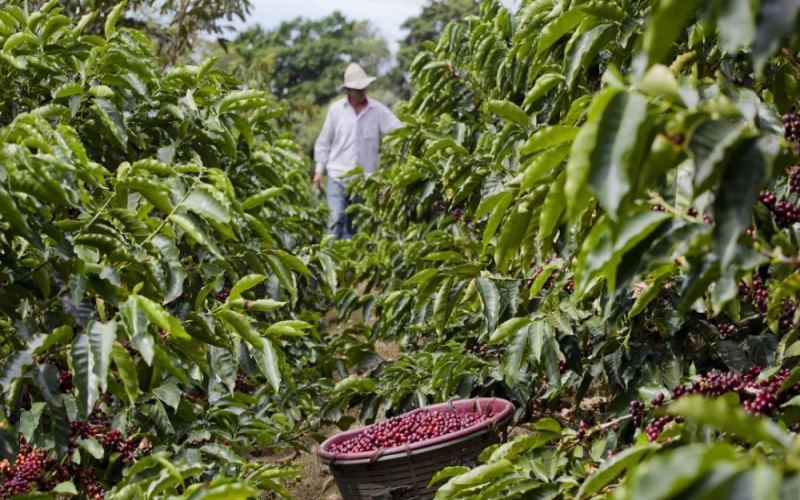
An Analysis of the Cultivation Origins, Main Producing Regions, and Honey Processing Techniques of Costa Rican Coffee
Costa Rica is one of the pioneers of coffee cultivation in Central America. Through strict variety control and its uniquely favorable volcanic geography, it has produced specialty coffees with a distinctive style. This article reviews the country's coffee industry from its beginnings to its setbacks, outlines the distribution of its main producing regions, and focuses on the terroir characteristics of the Tarrazu region and the flavor performance of Front Street Coffee's Costa Rica everyday beans. At the same time, the article also explains the origins and evolution of honey processing, explains why Front Street insists on choosing washed processing in its everyday bean series, and includes V60 pour-over parameters and three-stage pouring suggestions to help coffee lovers gain a more complete understanding of the appeal of Costa Rican coffee. [more…]

A Complete Analysis of African Coffee-Producing Countries: Varieties, Flavors of Ethiopia and Kenya, and Front Street Recommendations
Africa, as the birthplace of coffee, is home to many well-known producing countries such as Ethiopia and Kenya, and is famous for its rich aroma and captivating fruity acidity. This article systematically reviews the variety distribution, cultivation models, processing methods, and flavor characteristics of African coffee, with a focus on introducing Ethiopia's nine major specialty producing regions, Kenya's six major producing regions, and the coffee characteristics of countries such as Burundi, Rwanda, and Tanzania. At the same time, it retains Front Street Coffee's detailed brewing suggestions and flavor descriptions for beans such as Yirgacheffe, Huakui, Kenyan Little Tomato, Rwandan Gaseke, and Tanzanian Kilimanjaro, providing a comprehensive reference for coffee enthusiasts. [more…]
A Complete Analysis of African Coffee Origins: Flavor Characteristics and Growing Advantages of Ethiopia, Kenya, and Other Countries
Africa, as the continent of coffee's origin, has nurtured many outstanding bean varieties that captivate coffee lovers worldwide. Among them, Ethiopia and Kenya can be considered the two pillars of African coffee, winning broad recognition for their distinctive flavor profiles. This article systematically reviews the cultivation systems, variety compositions, processing methods, and flavor expressions of major African coffee-producing countries—including Ethiopia, Burundi, Rwanda, Kenya, Tanzania, and others—offering an in-depth analysis of the subtle differences among various specialty-producing regions. It also introduces the roasting and brewing parameters for several African beans from Front Street Coffee, providing coffee lovers with a complete guide to African coffee flavors. [more…]

A Comprehensive Analysis of African Coffee Regions: Varieties, Flavors, and Processing Methods in Ethiopia, Kenya, and Beyond
Africa is an important region that cannot be overlooked on the global coffee map. From Ethiopia and Kenya in East Africa to Rwanda and Burundi in Central Africa, and further to Tanzania and Malawi in the south, this continent has produced high-quality coffees of diverse styles. African coffees are generally known for their rich aromas and lively fruity acidity, with natural and washed processing being the main methods. Due to drought and water shortages, the beans are often uneven in size, yet this has also given rise to a unique flavor signature. This article will systematically sort out the cultivation systems, representative varieties, grading systems, and flavor characteristics of major African producing countries, and will also include brewing suggestions and flavor descriptions for several African beans from Front Street Coffee, taking you through a comprehensive understanding of the charm of African coffee. [more…]